




6.78 MHz frequency
One of the frequencies used in Monopolar RF systems to deliver heat energy into tissue, stimulating collagen changes and helping skin look firmer and tighter.

PROGRAM

PROGRAM XERF® is a skin-tightening innovation from Cynosure Lutronic that uses high-frequency monopolar radiofrequency (Monopolar RF). Its Dual-Frequency technology combines two radiofrequencies, 6.78 MHz and 2 MHz, to deliver heat energy into tissue at different depths.
The key feature of XERF® is that the two RF frequencies are designed to work together, covering energy delivery from the superficial and middle layers down to the deep layers of the skin. This helps stimulate collagen remodeling, so skin looks firmer, tighter, and smoother.
XERF® also features Wave Fit™ Pulse technology, which adjusts the energy delivery pattern to the selected depth and energy level, together with the Integrated Cryogen Delivery (ICD) system, which releases a cryogen coolant to help protect the upper layer of the skin during treatment.
WHAT IS IT ?
6.78 MHz + 2 MHz
Dual-Frequency Monopolar RF
The key difference of XERF® is that it uses two radiofrequencies instead of a single frequency, and each frequency delivers energy differently.
One of the frequencies used in Monopolar RF systems to deliver heat energy into tissue, stimulating collagen changes and helping skin look firmer and tighter.
A second frequency that XERF® uses alongside 6.78 MHz, extending energy delivery to tissue at depths different from those reached by 6.78 MHz.
Combining the two frequencies allows XERF® to deliver energy across multiple skin depths: superficial, middle, and deep. The doctor can adjust the depth and energy to suit each person's skin condition and concerns.
This technology therefore focuses on caring for the skin's structure at multiple levels, rather than heating only a single layer of skin.
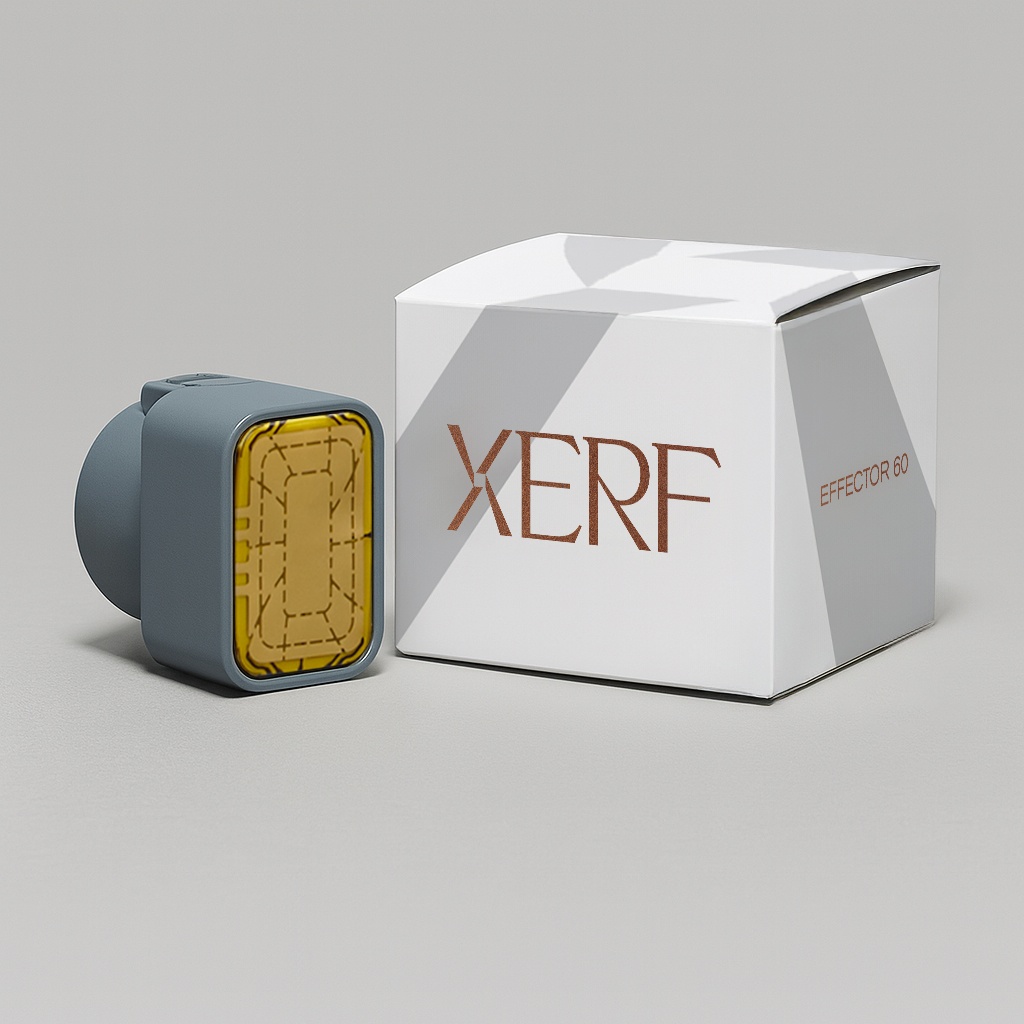
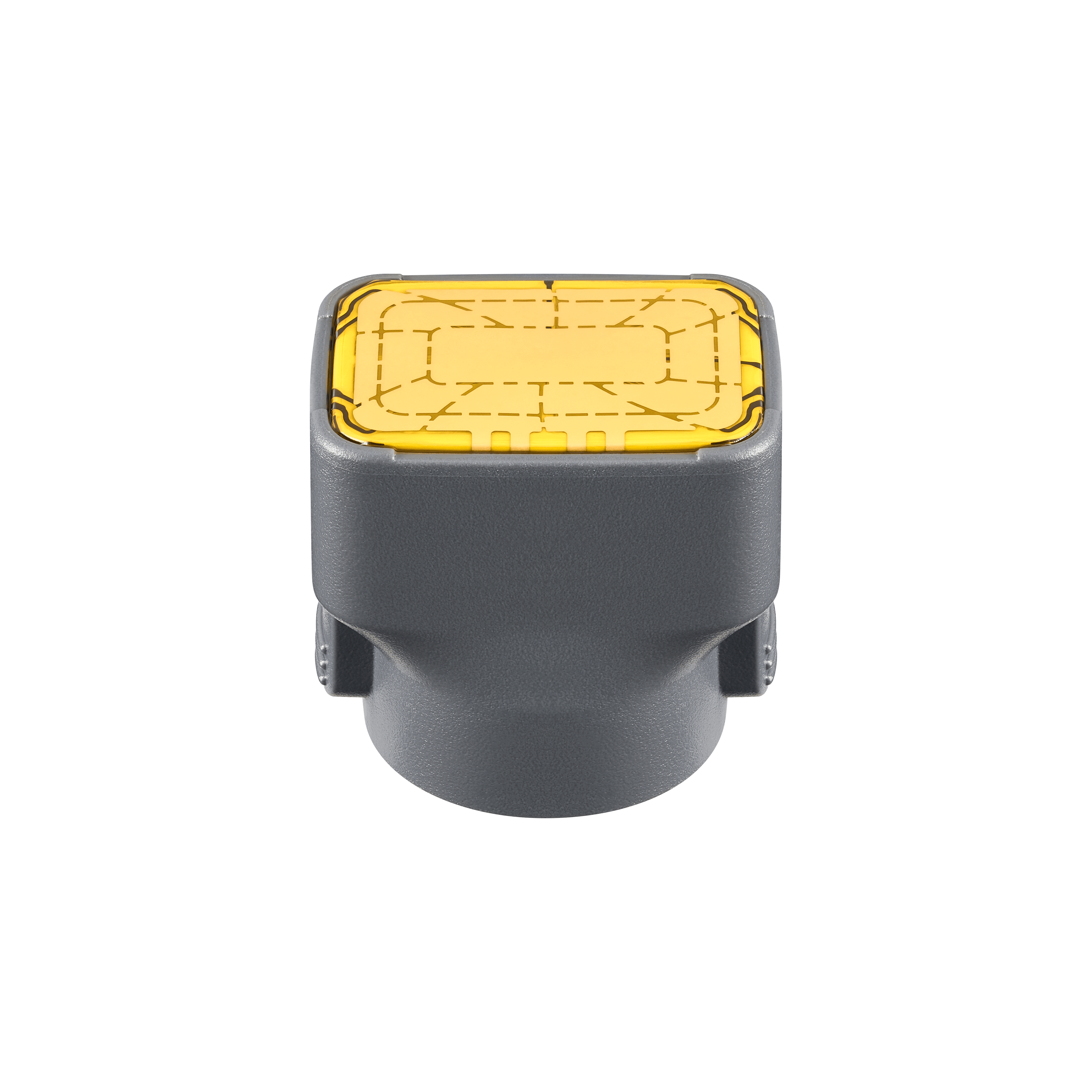
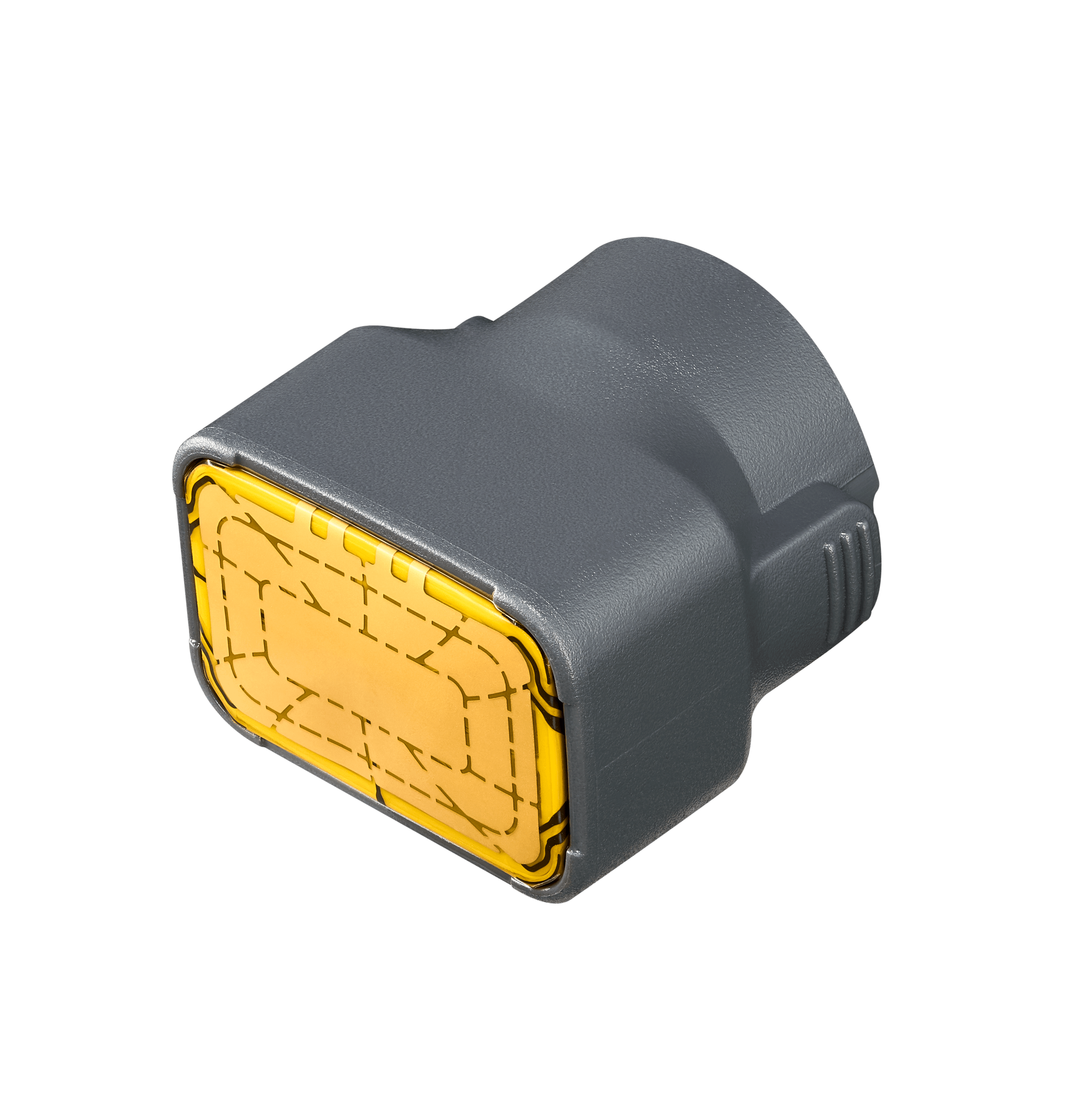
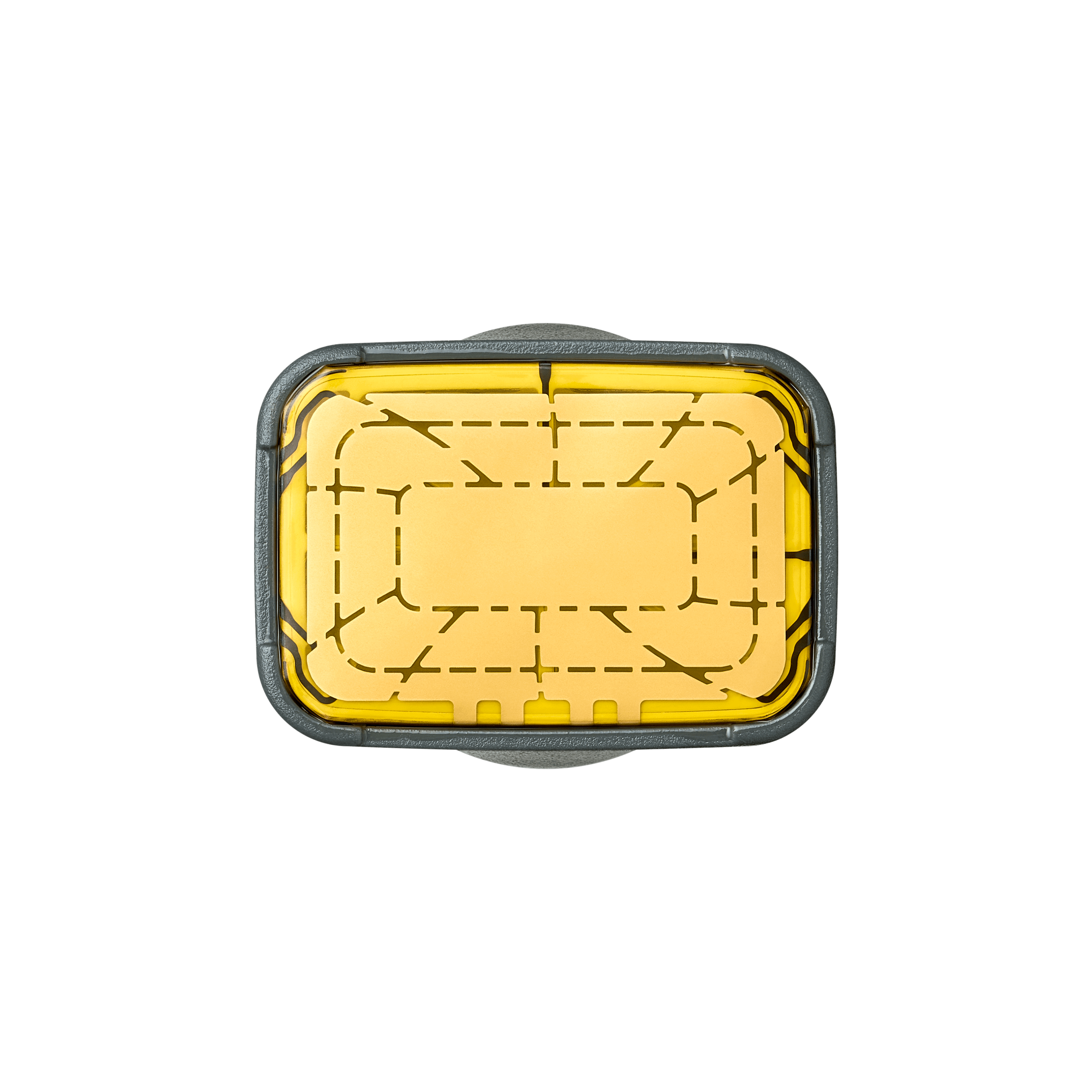
The XERF® system from Cynosure Lutronic uses the Effector 60 treatment tip to deliver Dual-Frequency Monopolar RF energy into the skin.

PROGRAM XERF®
Results vary depending on skin condition, age, and the doctor's treatment assessment.
RF energy helps stimulate collagen contraction and remodeling, helping skin look firmer and tighter.
Suitable for those who want to address sagging around the cheeks, jawline, and facial contour.
Collagen stimulation helps skin look smoother and more elastic.
Heat energy from RF helps stimulate collagen changes, which contributes to improving the look of wrinkles and uneven skin texture.
A doctor should assess your skin condition and suitability before treatment, especially if you have significant skin laxity or a large amount of fat beneath the skin, as other treatments may need to be considered alongside it.

XERF® vs Thermage® FLX vs Ultherapy — these three technologies work on different principles and deliver energy in different ways, so the right choice depends on each person's skin concerns and treatment goals.
XERF®
Dual-Frequency Monopolar RF
RF 6.78 MHz + 2 MHz
Combines 6.78 MHz and 2 MHz RF in a single shot to deliver energy across multiple tissue depths at once, with 3 depth settings: Shallow (dermis), Middle (superficial fat layer), and Deep (deeper tissue structures associated with laxity).
Thermage® FLX
Monopolar RF
RF 6.78 MHz
Uses a single RF frequency to create diffuse heat within the collagen-containing dermis, with cooling and vibration during treatment.
Ultherapy
Micro-focused Ultrasound with Visualization (MFU-V)
Focused ultrasound 4, 7, 10 MHz
Focuses ultrasound energy into a line of small heat points at a depth of 1.5, 3.0, or 4.5 mm depending on the transducer, unlike RF, which heats a broader area.
Each transducer has its own fixed depth (for example, a 1.5 mm transducer treats at 1.5 mm only). One transducer does not deliver energy at every depth; all 3 depths are shown together for comparison only.
These are schematic illustrations of each principle. Skin layer thickness and depths are not drawn to scale. Actual depth depends on the transducer or tip, settings, treatment area, and the doctor's assessment.
Feature
XERF®
Thermage® FLX
Ultherapy
XERF®Dual-Frequency Monopolar RF Combines two RF frequencies to deliver energy across multiple skin depths
Thermage® FLXMonopolar RF Delivers RF energy to heat collagen-containing tissue layers, with cooling and vibration
UltherapyMicro-focused Ultrasound with Visualization (MFU-V) Focuses ultrasound energy into targeted heat points, with tissue-layer imaging
XERF®Radiofrequency (RF) at 6.78 MHz and 2 MHz
Thermage® FLXRadiofrequency (RF) at 6.78 MHz
UltherapyFocused ultrasound at 4, 7, and 10 MHz depending on the transducer
XERF®Energy delivery adjustable to 3 levels: Shallow, Middle, and Deep
Thermage® FLXDelivers heat energy into the dermis and target tissue
UltherapyTransducers at 1.5, 3.0, and 4.5 mm, chosen by target tissue depth
XERF®Dual-frequency RF and adjustable energy delivery depth, with Integrated Cryogen Delivery (ICD) to help protect the upper skin layer
Thermage® FLXAccuREP™ adjusts energy delivery, with Cooling and Vibration
UltherapyDeepSEE technology shows tissue layers in real time
XERF®People starting to notice skin laxity who want to care for facial firmness and contour without surgery
Thermage® FLXPeople who want non-invasive treatment of wrinkles, including wrinkles around the eyes and on the upper and lower eyelids
UltherapyPeople who want to lift the eyebrow, lift lax tissue under the chin and on the neck, or improve lines and wrinkles on the décolletage
Note: Depth and treatment results depend on the transducer or tip, treatment technique, treatment area, and the doctor's assessment. RF frequencies should not be compared directly with ultrasound frequencies, as they are different types of energy. Suitability is based on the manufacturers' indications and must be assessed individually by a doctor.
XERF® uses RF energy to stimulate collagen changes, so results may develop gradually along with the skin's natural renewal process.
Some people may notice a change in firmness early on.
Collagen changes continue over the period after treatment.
How often to repeat treatment should be based on skin condition, desired results, and the doctor's advice. There is no single repeat interval that applies to everyone.
Get enough rest before your treatment.
Tell the doctor about any medical conditions, medications, treatment history, and medical devices implanted in your body.
Tell the doctor if you are pregnant or have any health condition that may affect treatment.
Tell the doctor about any filler, Botox, or other procedures in the area to be treated.
Follow the doctor's instructions before treatment.
A: The sensation during treatment varies from person to person, depending on the treatment area, energy level, and individual sensitivity. XERF® has an Integrated Cryogen Delivery (ICD) system that releases cooling to protect the upper layer of the skin during energy delivery, and Wave Fit™ Pulse technology to control the energy delivery pattern. Whether numbing is used depends on the doctor's assessment and the treatment plan.
A: Both XERF® and Thermage® use monopolar radiofrequency (Monopolar RF) energy, but they differ in how the energy is delivered. • XERF®: uses two RF frequencies, 6.78 MHz and 2 MHz, with Wave Fit™ Pulse technology to adjust the energy delivery pattern across different depths. • Thermage® FLX: uses Monopolar RF at 6.78 MHz with AccuREP™ technology and Cooling with Vibration to help control energy delivery and improve comfort during treatment. Each technology has its own strengths and treatment approach. The choice depends on your skin condition and the doctor's assessment.
A: The main difference is the type of energy and how it is delivered. • XERF®: uses two Monopolar RF frequencies, 6.78 MHz and 2 MHz, to deliver heat energy into tissue at multiple depths. • Ultherapy: uses Micro-focused Ultrasound with Visualization (MFU-V), focusing energy into targeted heat points at depths of 1.5, 3.0, and 4.5 mm, with the DeepSEE system that lets the doctor see the tissue layers during treatment. In short, XERF® focuses on multi-frequency RF energy delivery, while Ultherapy focuses on delivering focused ultrasound energy to specific points.
A: Combining it with other procedures should be assessed by a doctor first, taking into account the type of procedure, treatment area, time since treatment, and individual suitability. The doctor will decide the appropriate order and spacing of treatments.
A: XERF® is a non-surgical tightening procedure, so it does not need surgical-style recovery. However, there may be temporary redness, swelling, or sensitivity in the treated area. Follow the doctor's instructions.
A: Not necessarily. A doctor should assess your skin condition, health history, and any precautions before treatment, to choose the technology and energy level that suit you.
ELEVEN I CLINIC
Explore patient experiences or speak with our team to plan your treatment and book a doctor consultation.